
If your dog could talk: toxic plants.

by Pascale Saravelli, canine educator and co-director at Social Dogs.
Just because it's beautiful doesn't mean it's safe.
You're enjoying a walk when your dog stops beside a colourful flower, a leafy shrub or a fallen seed. They sniff it, perhaps give it a quick lick or pick it up for a second before moving on.
Most of the time, nothing happens.
And that's exactly why it's easy to assume there's nothing to worry about. After all, it's just a plant. The problem is that not everything growing in nature—or in our gardens—is safe for dogs.
Unlike us, dogs don't know which plants are harmless and which can make them seriously ill. They explore the world with their nose and, particularly when they're young, with their mouth. Curiosity is part of being a dog.
Fortunately, most plants are harmless. But some of the most common ornamental species found in parks, gardens and streets can be surprisingly dangerous.
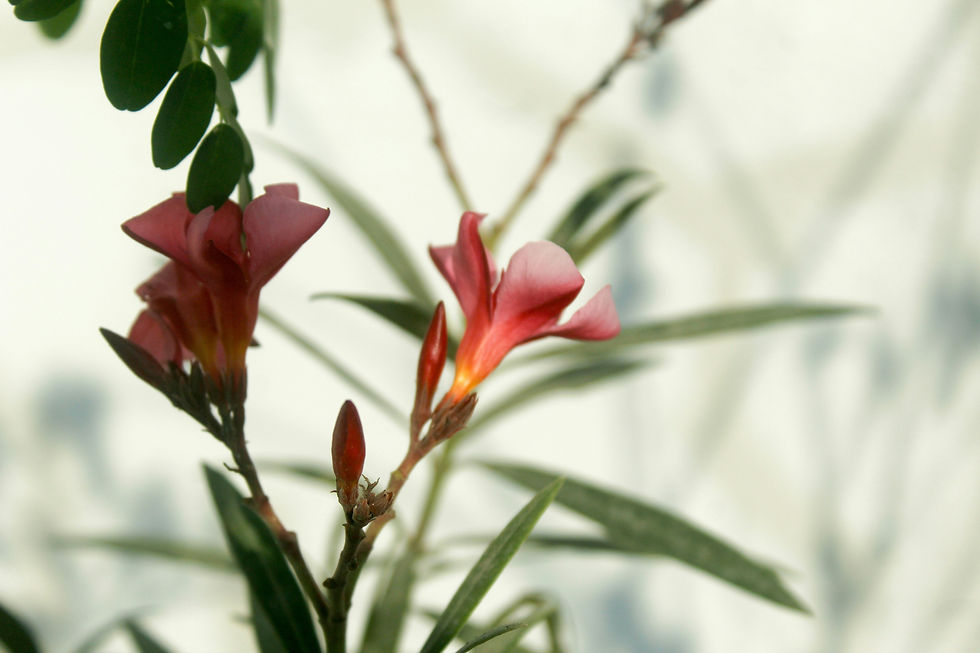
One of the most toxic plants is oleander (Nerium oleander), known in Spain as adelfa and locally in Mallorca as baladre. Easily recognised by its clusters of pink or white flowers, it is a familiar sight throughout the island, lining roadsides, motorway central reservations and many gardens. Despite its beauty, every part of the plant contains cardiac glycosides that can interfere with the heart, and even small amounts can cause severe poisoning in dogs.

Another plant commonly seen in Mediterranean gardens is the sago palm (Cycas revoluta). Although it looks like a small palm tree, it isn't a true palm. Its seeds are especially toxic and can cause severe liver damage.
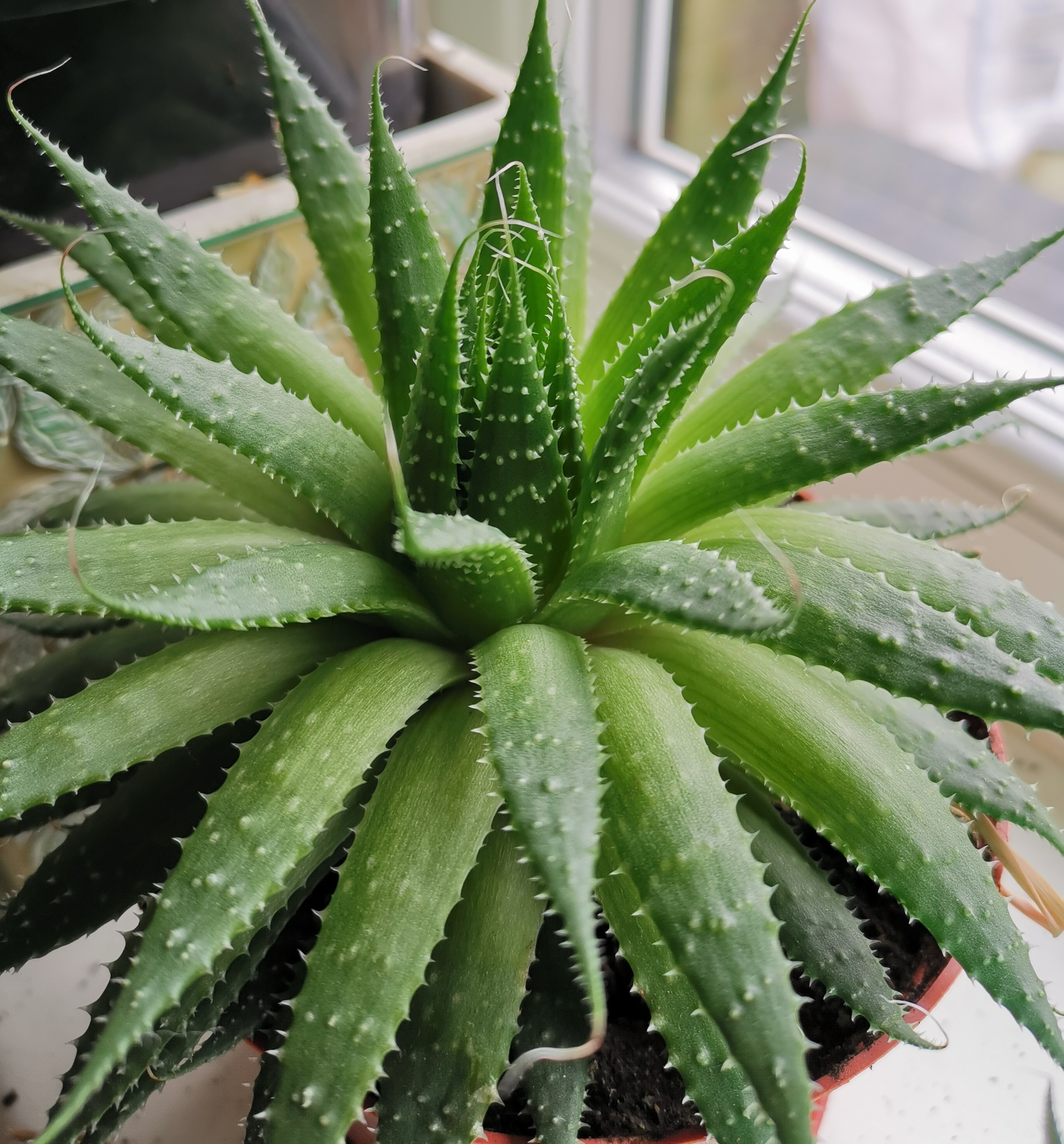
Then there's aloe vera. Many people keep it at home because of its medicinal properties for humans, but the yellow latex beneath the leaf contains compounds that can cause vomiting and diarrhoea in dogs if ingested.

The same is true for plants such as lantana, frequently used in gardens for its colourful flowers. Depending on the amount consumed, it can also cause gastrointestinal signs and other health problems.
The good news is that most dogs won't suddenly start eating large quantities of plants. The bad news is that poisoning doesn't always happen because a dog is hungry. Sometimes all it takes is a puppy chewing on a fallen seed, a dog playing with a broken branch or a moment of curiosity while exploring a new place.
That's why supervision matters so much. The safest approach isn't to stop your dog investigating the world around them. It's simply to know which plants deserve a little extra caution and to prevent access to them whenever possible. Curiosity is one of the things that makes dogs so wonderful. Helping them explore safely is one of the ways we return the trust they place in us.
Did you know...? Many of the plants most commonly found in gardens were chosen because they're beautiful, hardy and drought-tolerant—not because they're safe for pets. If you're planning a dog-friendly garden, it's worth checking whether a plant is pet-safe before adding it.
"The next time I stop to sniff a flower, remember this: I don't know whether it's dangerous. I trust you to know.“


Comments