
If your dog could talk: food toxicity.

by Pascale Saravelli, canine educator and co-director at Social Dogs Mallorca.
"Please… don't share everything on your plate. Some of your food could cost me my life."

If you live with a dog, you've probably experienced this scene: you're preparing dinner when two eyes quietly appear beside you. You sit down to eat and, within seconds, there's a hopeful face resting gently on your knee. It's difficult to resist. "It's only a tiny piece." After all, if we can eat it, why shouldn't they?
The answer is simple. Because dogs don't experience food the way we do.
For thousands of years, dogs evolved as opportunistic scavengers. If they found something edible, eating it was often the best decision for survival. Their instincts haven't changed. Our kitchens have.
Many foods that are perfectly safe for us can be toxic for dogs because their bodies process certain substances very differently.
Chocolate is perhaps the best-known example. It contains theobromine, a compound that dogs eliminate much more slowly than humans. Depending on the type and amount of chocolate, it can cause vomiting, diarrhoea, agitation, tremors, seizures and, in severe cases, even death.
Grapes and raisins are even more surprising. Scientists still don't know exactly which compound causes the toxicity, but even small amounts can trigger acute kidney failure in some dogs. Because there is no safe dose, they should never be offered.

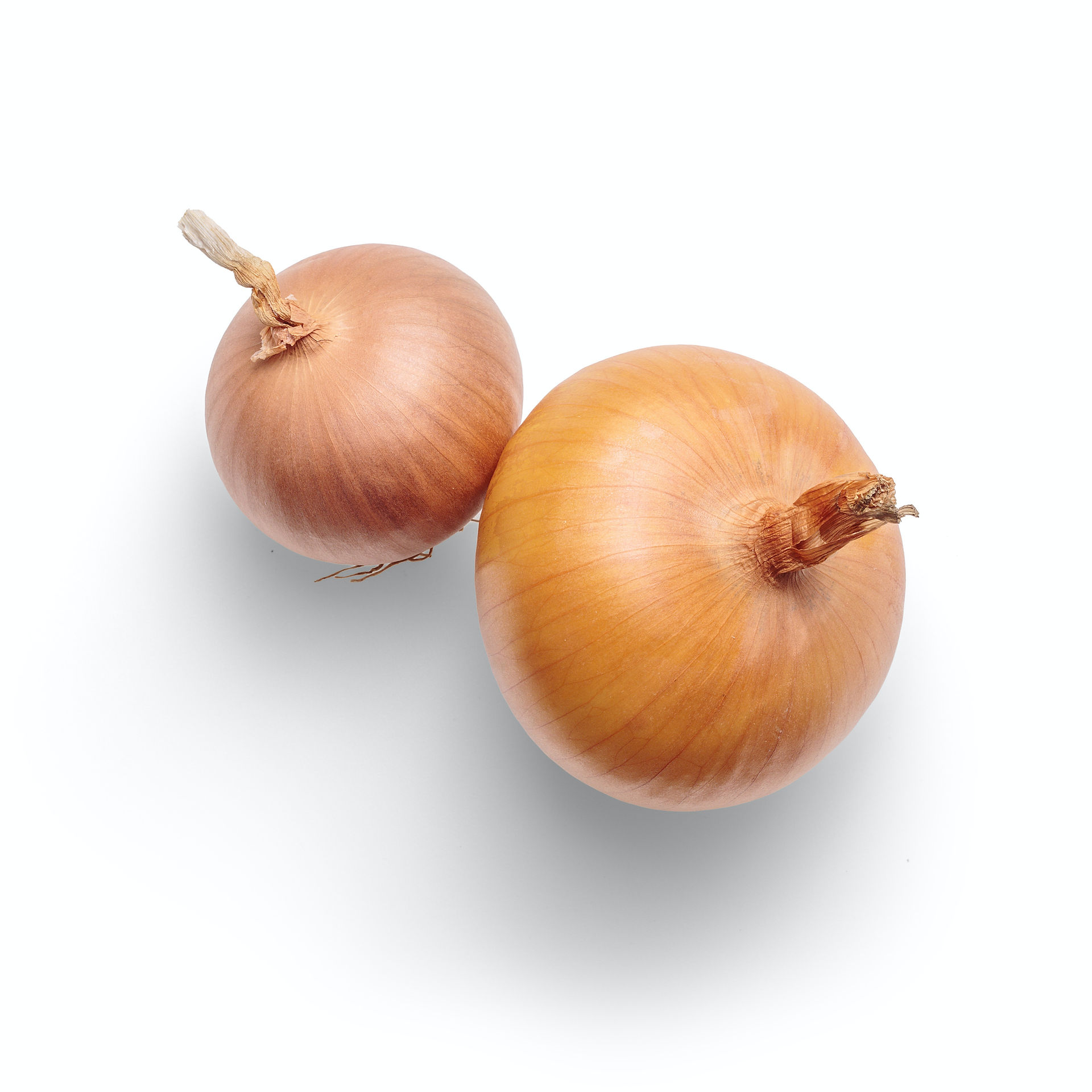

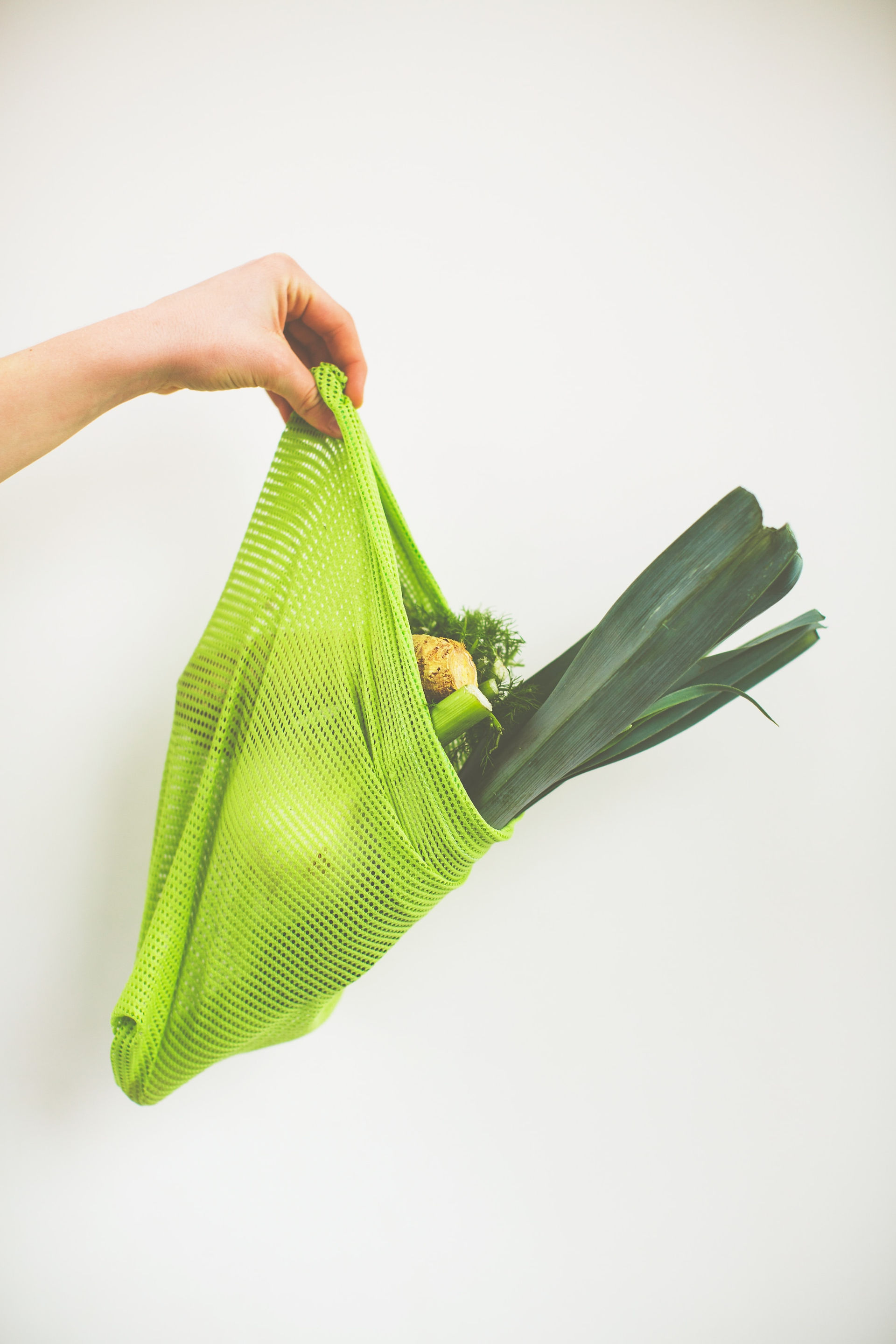

Onions, garlic, leeks and chives contain sulphur compounds that can damage red blood cells and lead to anaemia. The effect may not appear immediately, making the connection with the food difficult to recognise.
The sweetener xylitol, increasingly common in sugar-free chewing gum, sweets, peanut butter and some baked products, can cause a sudden drop in blood sugar and severe liver damage in dogs. A very small amount may be enough to become a veterinary emergency.
What about milk? There's a common belief that all dogs can drink milk, but that's not always the case. Dairy products aren't toxic, but many adult dogs lose much of their ability to digest lactose after weaning. As a result, drinking milk may cause diarrhoea, gas or stomach upset. If your dog tolerates small amounts of plain yoghurt or certain aged cheeses, there's usually no problem, but dairy isn't a necessary part of a dog's diet. Whenever possible, it's better to choose more suitable natural treats, such as small pieces of air-dried meat or dog-safe fruits and vegetables.
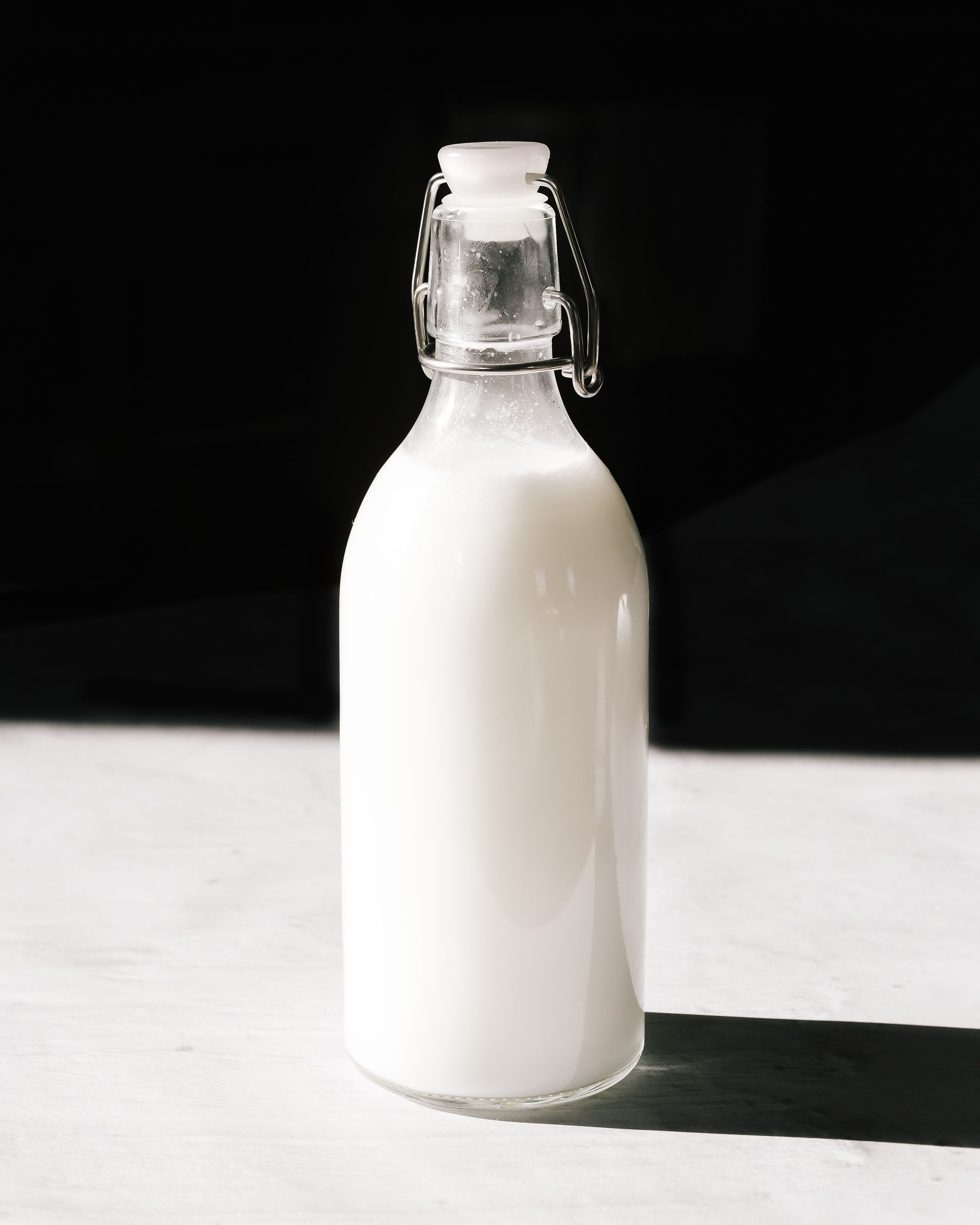


What about kefir? Plain kefir, with no added sugar or sweeteners, contains much less lactose than milk thanks to the fermentation process, which means many dogs tolerate it better. It also provides beneficial microorganisms that may help support a healthy gut microbiome. However, every dog is different, so it's best to introduce kefir gradually, offer it in small amounts, and consult your veterinarian if your dog has digestive problems or a medical condition that requires a specific diet.
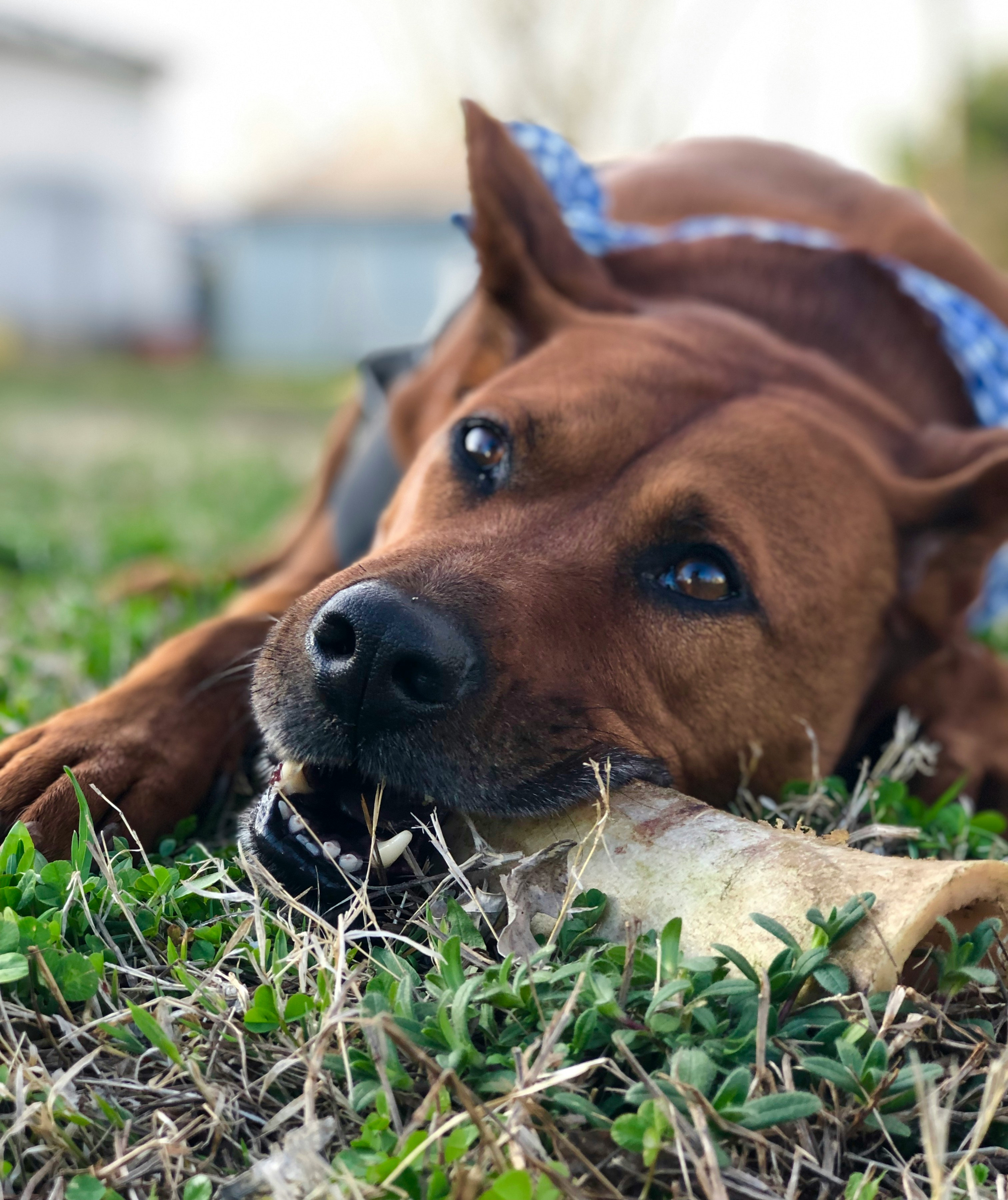
And then there are cooked bones. Many of us grew up believing that giving a dog a bone was natural. In reality, cooked bones are one of the foods veterinarians most often advise against. Cooking makes them more brittle, increasing the risk that they splinter into sharp fragments capable of causing choking, injuries to the mouth or digestive tract, or intestinal obstruction.
The safest treat is not always the most traditional one. The good news is that preventing these accidents is usually very simple. Keep dangerous foods out of reach, remind children not to feed the dog from the table, and make sure visitors know that "just one little bite" isn't always harmless.
Sharing a meal is one of the ways we express affection. Keeping some foods to ourselves is another.
"The next time I look at you while you're eating, remember this: I'm not asking because I know it's safe. I'm asking because I trust you."
Did you know...? Dog-safe "chocolate" treats do exist because they contain no theobromine, making them safe for dogs. Even so, dogs have no nutritional need for chocolate-flavoured treats. Whenever possible, choosing natural rewards, such as air-dried meat or small pieces of carrot, cucumber or seedless apple, is usually the healthier option.


Comments